Kadex
DepositWithdraw
‹ Blog

NewsOct 12, 2026 · 5 min read

Solana perps had a record $147B quarter. Cards are the missing market.

Perpetual futures on Solana set a record in Q2 2026. Kadex brings the same instrument to graded cards, and it is live on devnet.

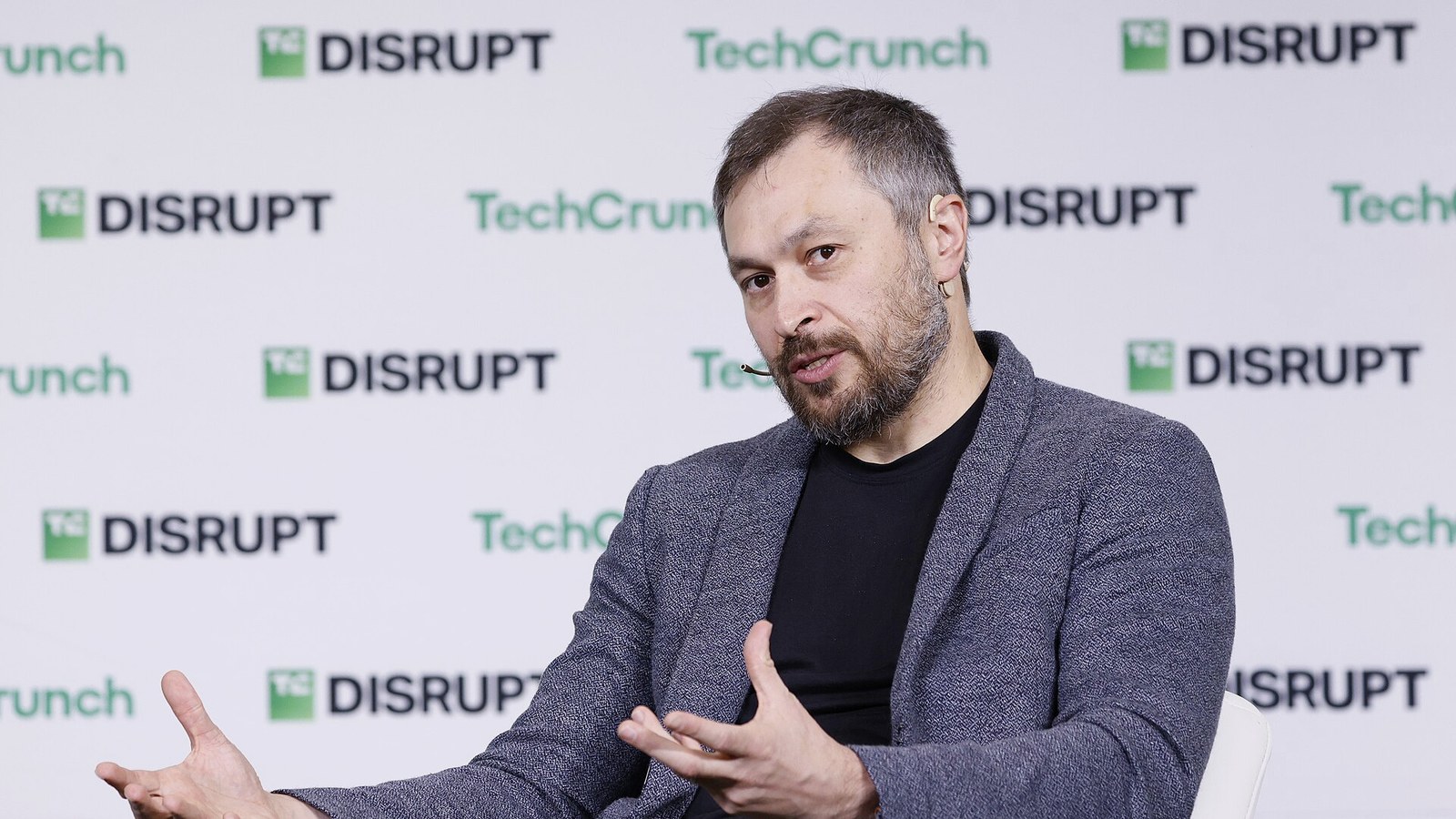
Anatoly Yakovenko, co-founder of Solana, on stage at TechCrunch Disrupt in 2025
Photo: TechCrunch, CC BY 4.0, via Wikimedia Commons. Cropped.

Perpetual futures on Solana reached $147 billion in volume in the second quarter of 2026, a record for the network, and $255.6 billion across the first half of the year. Volume was up 57.1% from a year earlier, with Drift and Jupiter Perps leading.

$147BSolana perps volume, Q2 2026
$255.6BFirst half of 2026
+57.1%Compared with a year earlier

The same instrument, for cards

A perpetual future lets you take a long or a short position on a price with margin and no expiry date. You never hold the asset. On Kadex the price is an index of graded cards. Positions use isolated margin at 5x, and before you sign the ticket shows the margin required, the entry price and the estimated liquidation price.

  • Opening and closing each cost 0.1% of the position size.
  • While the position is open you pay a borrow rate, which rises as more of the pool is in use.
  • If losses bring the position below its maintenance margin, it is liquidated.

Who takes the other side

A pool does, the model used by Jupiter Perps and GMX. Deposit into it and you receive CLP, a token for your share of the pool, minted at the pool's net asset value. Fees and borrow paid by traders go to the pool. So do traders' losses, and traders' gains are paid out of it, which is the risk you take for the yield.

Live on Solana devnet

On 12 October 2026 Kadex went live on Solana devnet. A keeper refreshes the price every ten seconds and a liquidator closes positions that fall below their maintenance margin.

oracleComputes the index price from the poolExplorer ›clp_poolHolds the liquidity and mints CLPExplorer ›perpPositions, borrow and liquidationExplorer ›card_vaultTurns a graded card into fractions and backExplorer ›

To try it, open the devnet app, pick the demo wallet or connect your own wallet on devnet, and use the faucet for test SOL and kdUSD. kdUSD is a devnet test dollar, not USDC, and nothing on devnet has monetary value.

Kadex is not affiliated with or endorsed by Anatoly Yakovenko, the Solana Foundation, TechCrunch, Drift or Jupiter. Figures come from the source listed below.

Sources

Crypto Briefing: Solana achieves record $147B in perps trading volume in Q2 2026
Open the devnet app
Quick answers

How can we help?

The essentials about Trade, Earn and Vault.

What am I trading?

One index tracking a fixed basket of graded cards. A long or short position follows the index price; it does not give you ownership of an individual card.

How is the index priced?

Card fractions trade in an on-chain pool. Their price is smoothed over a 30-minute window, then limited by a time-scaled clamp. External card sales are a safety check, not the price source.

What is the risk of a trade?

Perpetual positions use margin. A move against your position can liquidate it and you can lose all of that margin. Check the liquidation price in the ticket before opening.

How does Earn work?

You can deposit kdUSD or eligible card fractions for CLP pool shares. The pool collects fees, takes the other side of trades, and its value can rise or fall with trader results.

What happens when I vault a card?

An eligible graded card is held in the vault and you receive fractions. To redeem the card, you must hold and return the full fraction supply.

Is this using real money?

This screen reads the configured Solana cluster. Check the network and token shown in your wallet before signing a transaction.