On 23 August 2025 a 2007-08 Upper Deck Exquisite Collection Dual Logoman Autographs card of Michael Jordan and Kobe Bryant sold at Heritage Auctions for $12,932,000. That is the most ever paid for a sports card. It passed the 1952 Topps Mickey Mantle that sold for $12.6 million in August 2022.
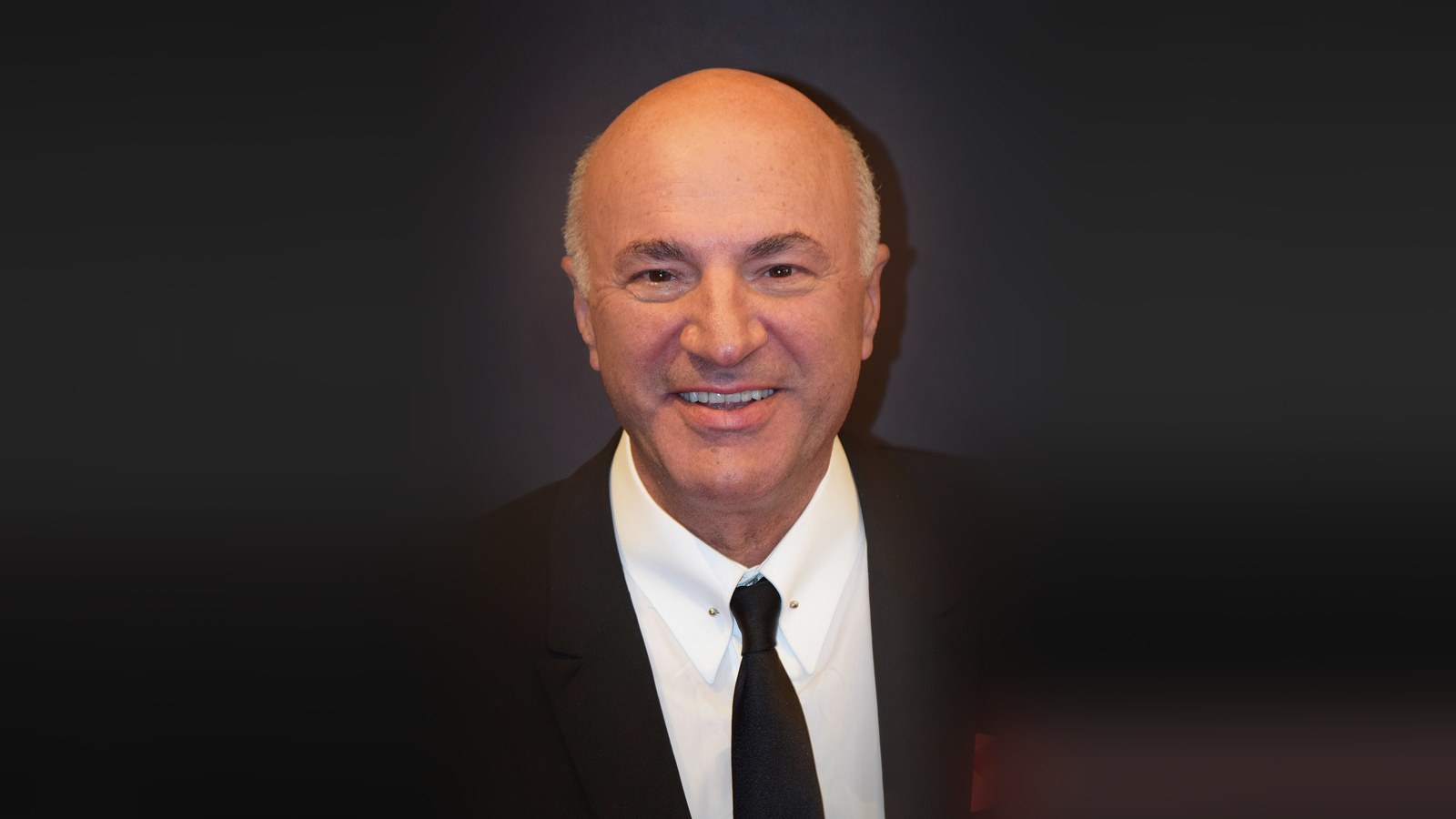
The buyers were a group of three: Shark Tank investor Kevin O'Leary, collector Matt Allen and entrepreneur Paul Warshaw, as the auction house confirmed to ESPN. The auction drew 82 bids.
One card, one owner
The card is numbered one of one. It carries both signatures and the NBA logo patches from jerseys the two players wore. There is exactly one of it, and it has owners now. For everyone else its price is something to read about, not something to trade.
Why an index
Record sales show that cards are treated as an asset class. An asset class needs a way to hold the market rather than one item, the way stock investors hold an index instead of one company. Kadex builds that for graded cards: one index over a fixed basket of ten professionally graded cards with fixed weights, where no card may weigh more than 15%.
Where the index price comes from
No signed feed and no administrator sets the price. The index is represented by one token that trades against the dollar token in an on-chain pool, and the price is recomputed from that pool by an instruction anyone can call.
- Spot: the ratio of the pool's two reserves, read at most once per slot.
- Average: a time-weighted average over 30 minutes, so a price pushed for one transaction barely counts.
- Limit: the official price can move at most 5% per 15 seconds of elapsed time.
Open interest is limited by two ceilings, and the lower one governs: the pool's liquid reserve, so winners can be paid, and the depth of the pricing pool, so that moving the price far enough to force liquidations costs more than it pays.
Kadex is not affiliated with or endorsed by Kevin O'Leary, Heritage Auctions, Upper Deck or the NBA. Figures come from the sources listed below.