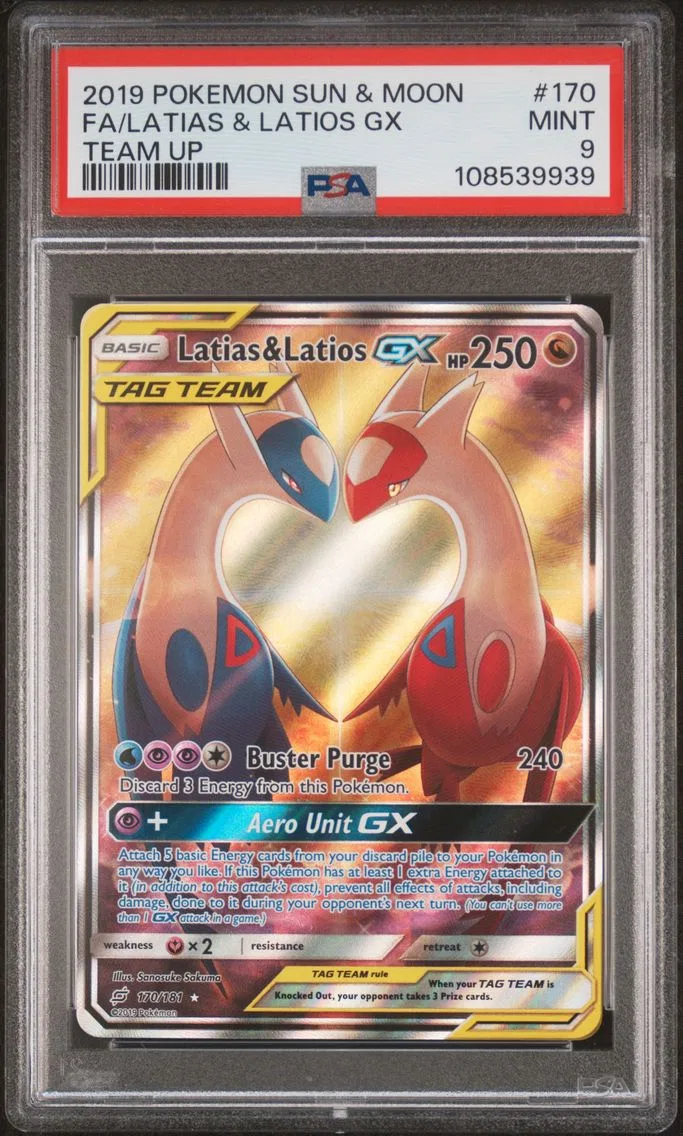
2019 · Pokemon Sun & Moon Team Up · PSA MINT 9
Latias & Latios GX
Index weight14.12%
Inside the Kadex Index
The index turns prices from a fixed basket of graded cards into one number you can trade. Its price comes from an on-chain pool, with limits designed to protect the market.
01 / Price
Follow the four steps behind the number shown on the trading screen.
10 graded cards each have a published weight. The list does not change automatically.
Trades in the on-chain fraction pool establish the spot price. No person submits an official price.
A 30-minute time-weighted average reduces the effect of a brief price move.
A time-scaled clamp limits movement to 5% per 15 seconds. The result prices positions and the pool.
What the external feed does: recent card sales provide a sanity check. They do not set the index price. Anyone can refresh the on-chain price; there is no oracle signing key.
02 / Basket
Published weights total 100.00%. A card enters through a whitelist; the basket does not rebalance itself.
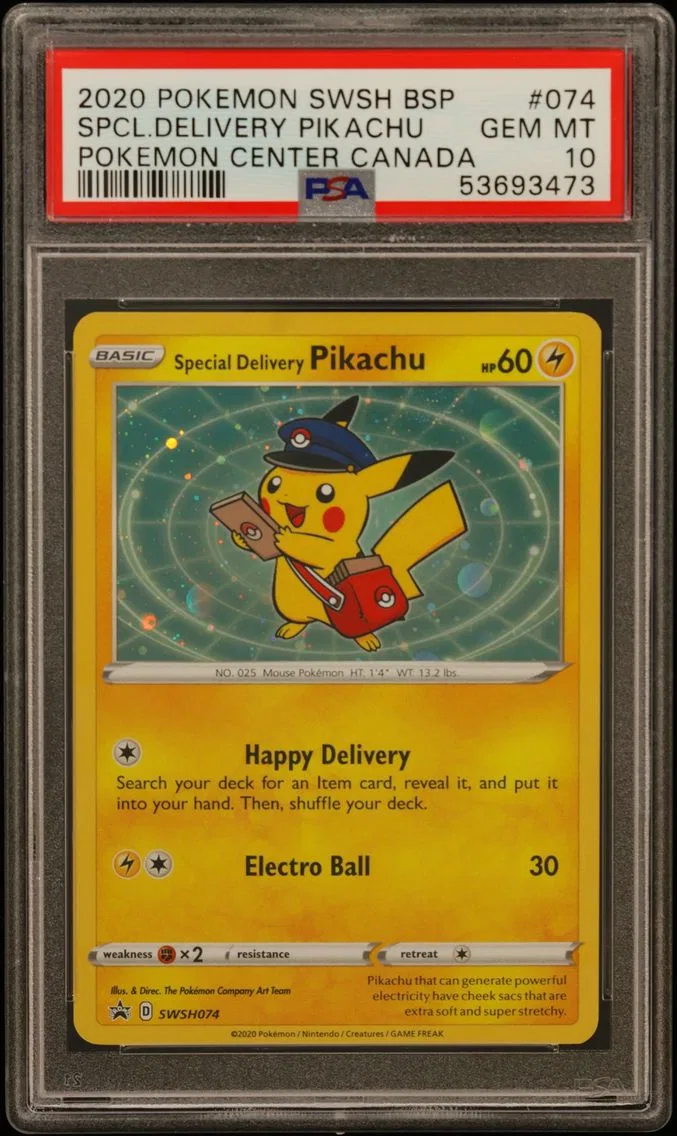
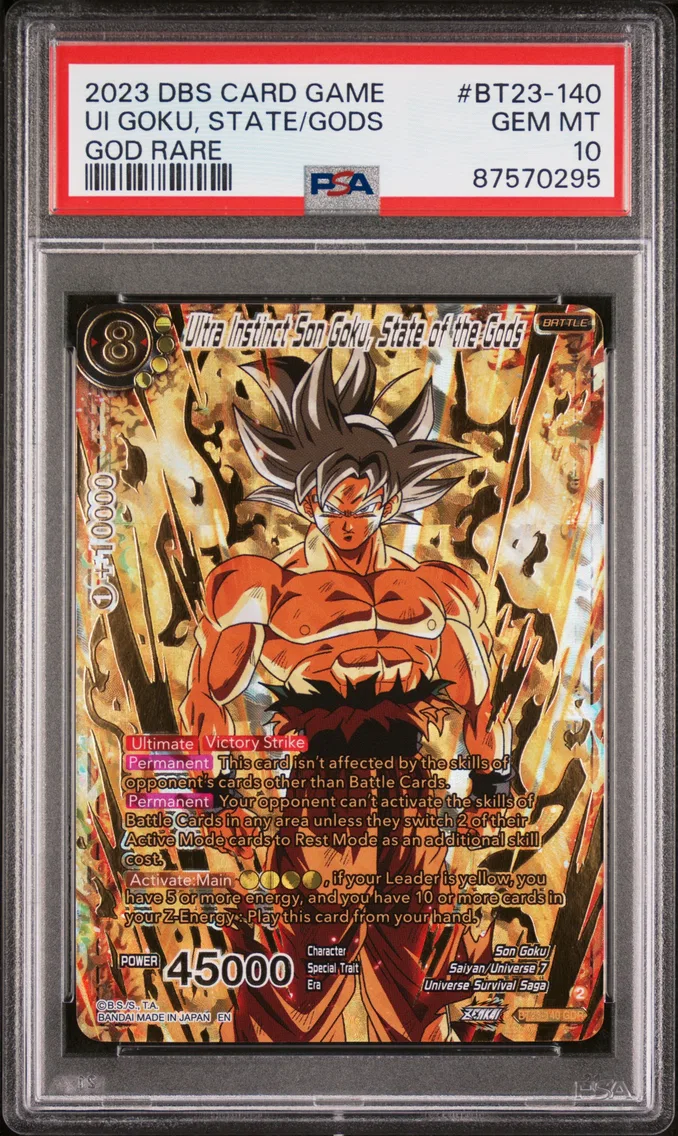
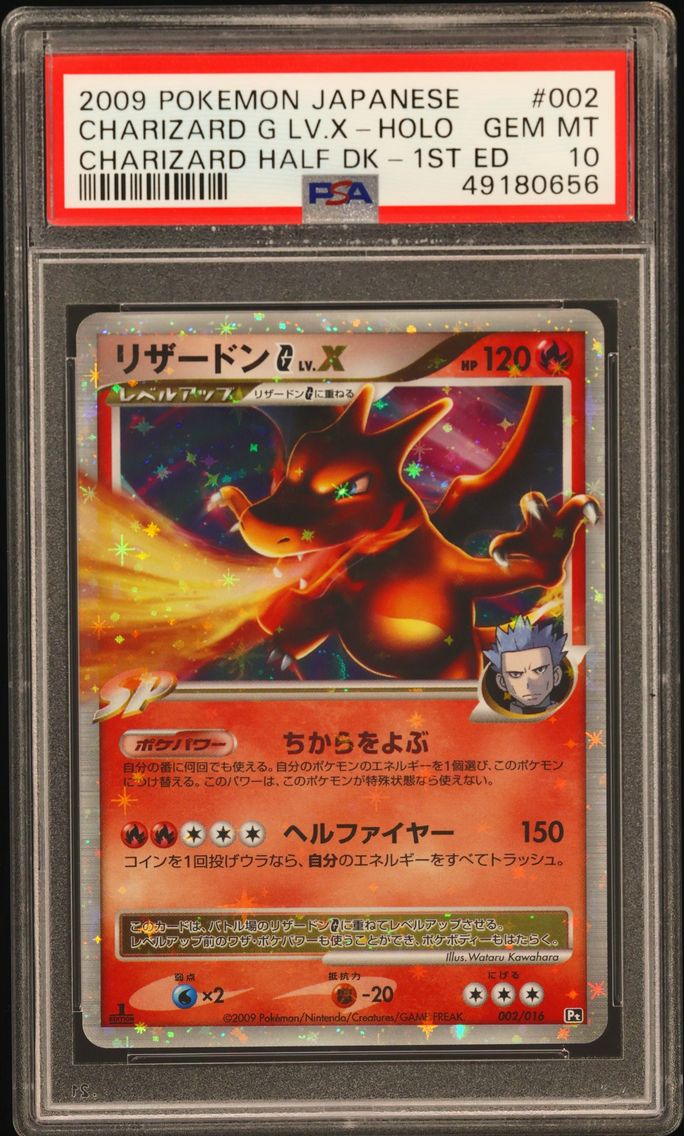
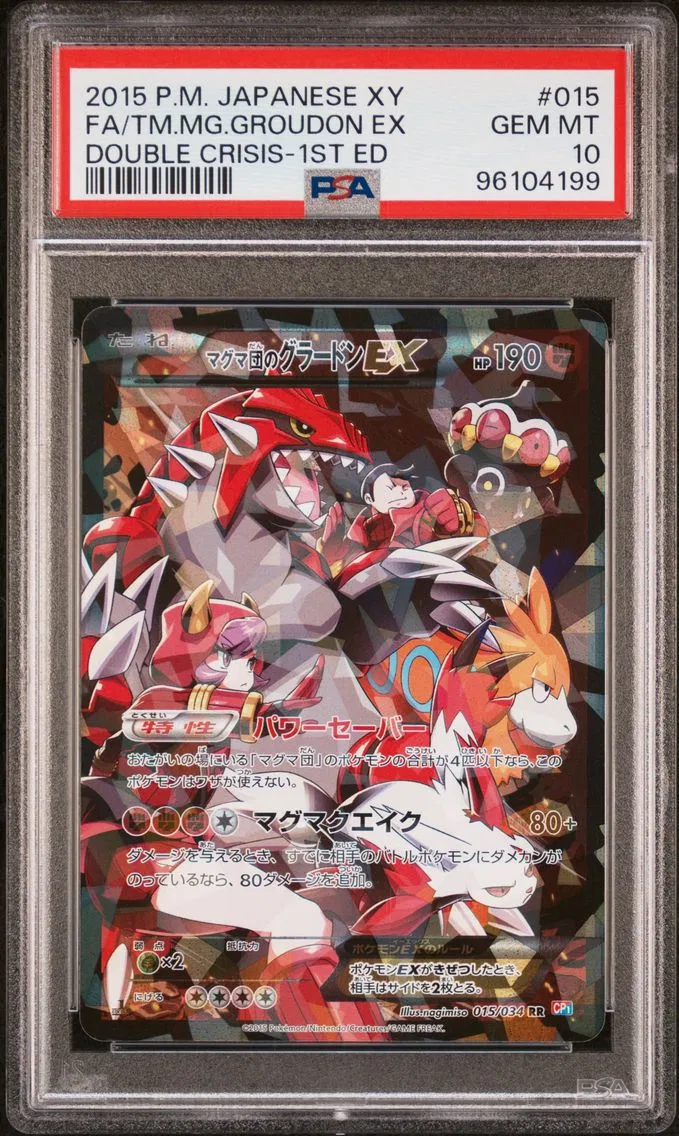
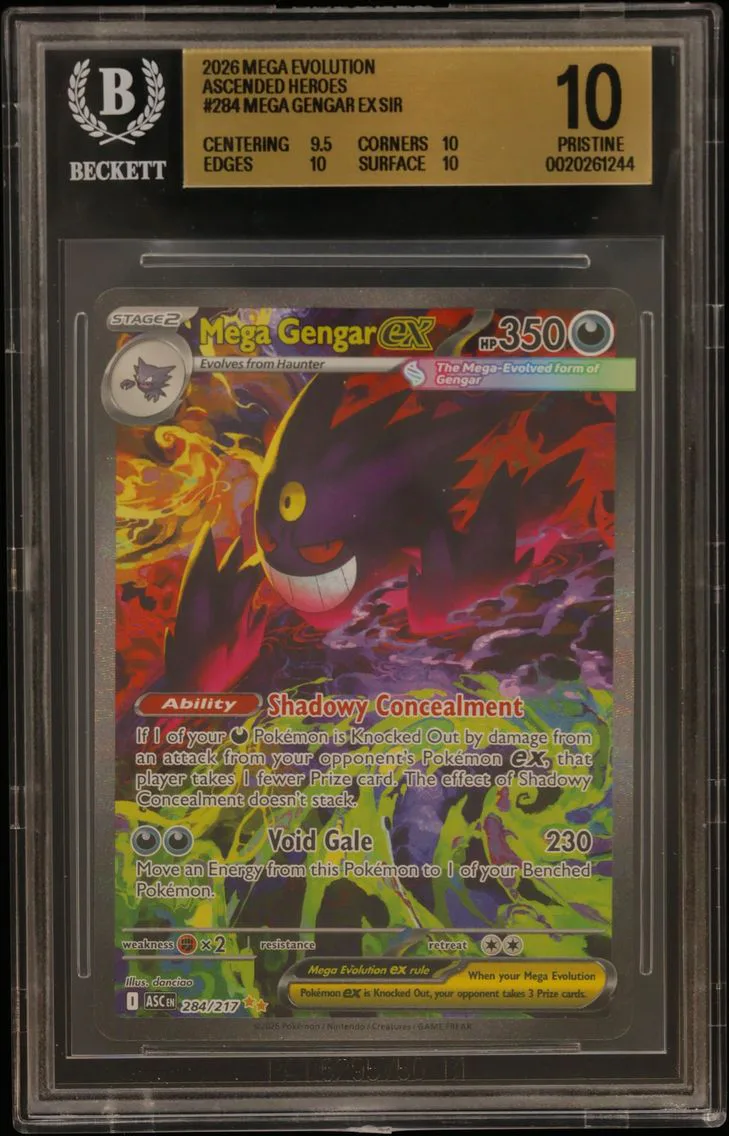
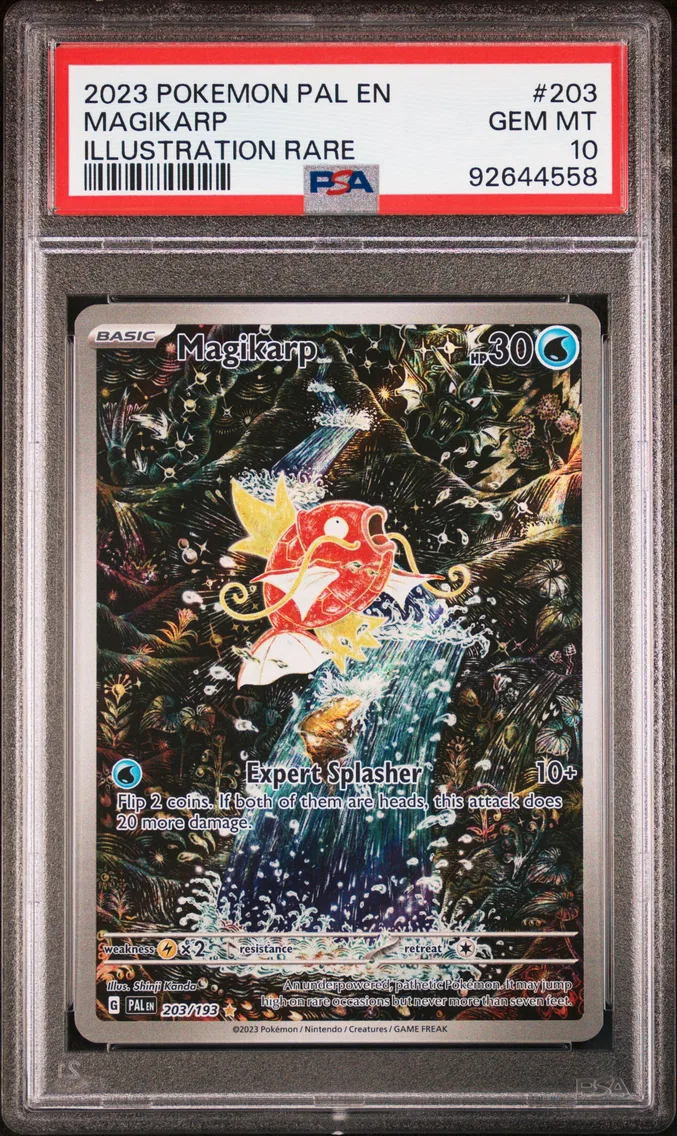
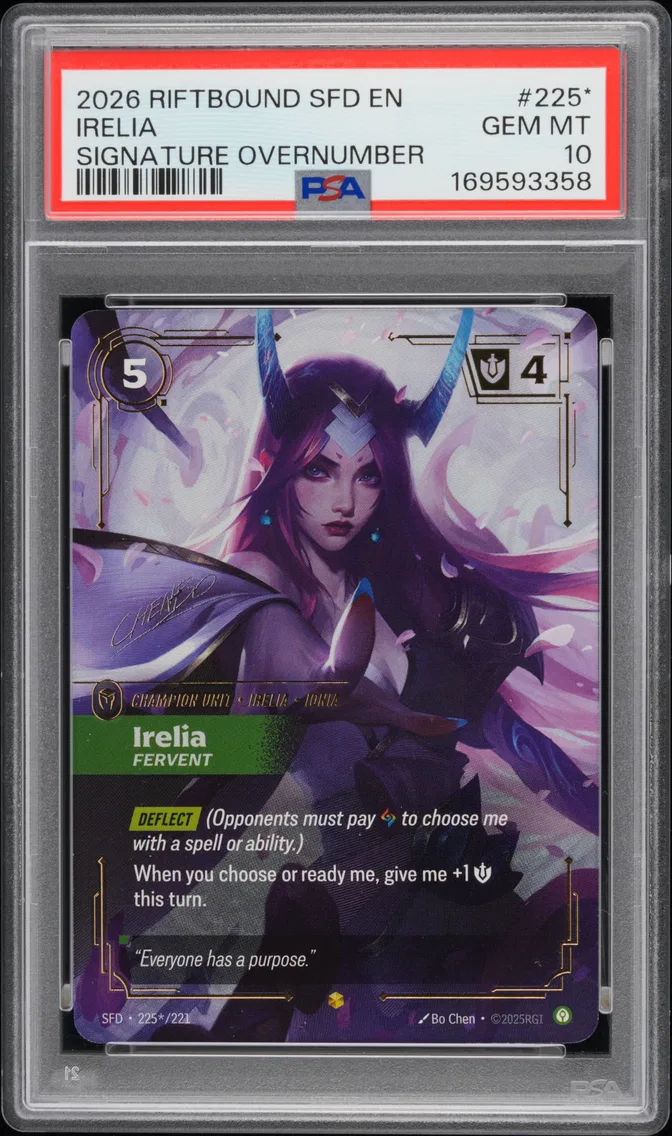
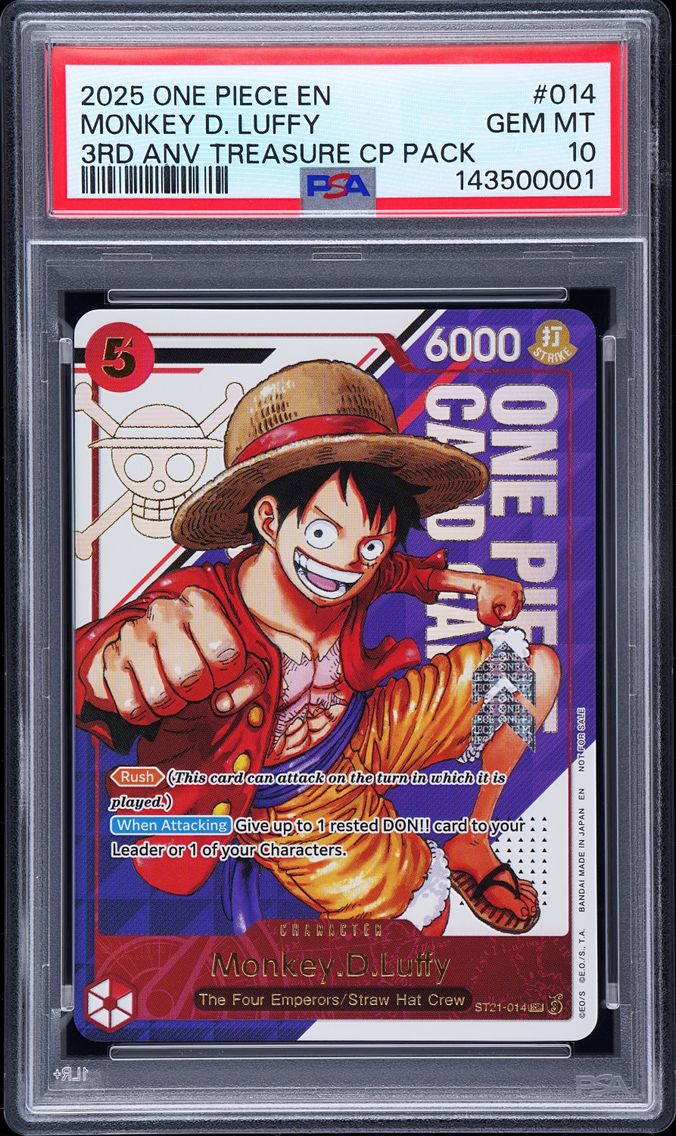
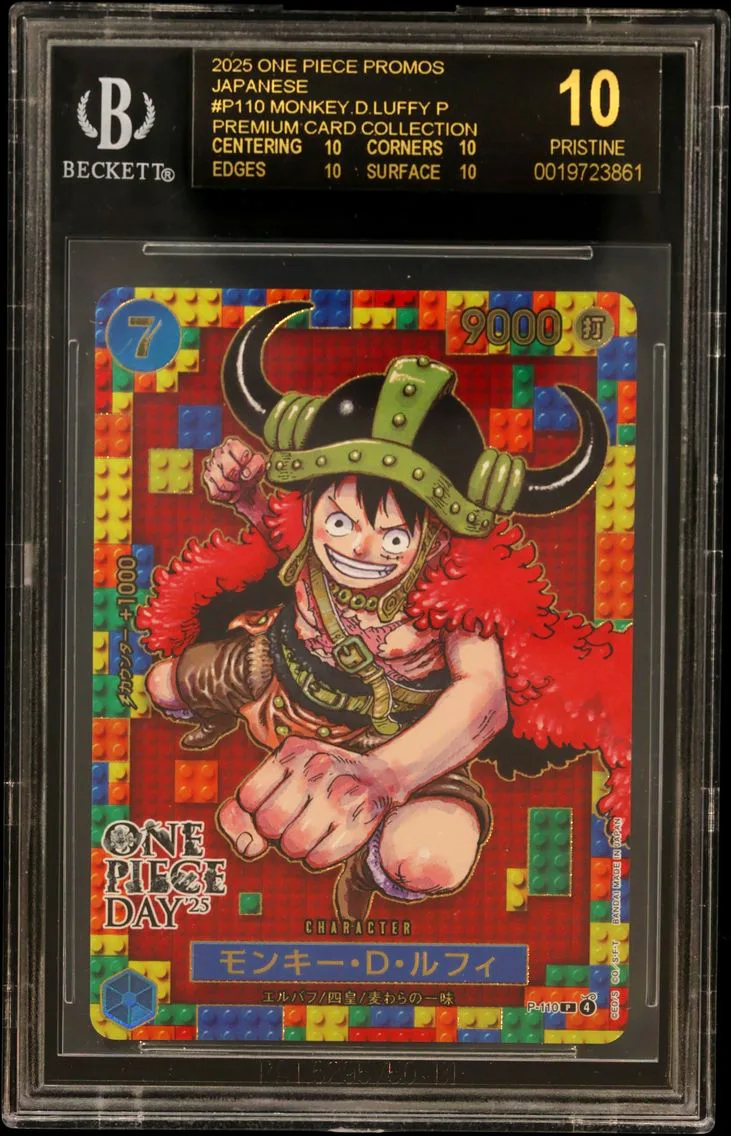
On this test cluster, the index token is for demonstration. It is not backed by or redeemable for cards.
03 / Capacity
Trading capacity is the lower of two limits. The market cannot take more open positions just because one limit has room.
of — total capacity remains open
Current limiting factor: —
The pool must hold enough liquid assets to pay winning traders.
Moving the index far enough to force liquidations should cost more than it pays.
Capacity figures use the current market snapshot. A stale or unavailable oracle can also prevent new trades, even when capacity remains.